
In my ten-plus years as an owner-operator at Steam Lion, I have seen almost every imaginable furniture disaster. But one afternoon in Winnetka stands out. I was called to inspect a gorgeous, custom navy blue velvet sofa. The homeowner, trying to save a few dollars, had hired a cheap carpet cleaner. This operator brought in a heavy industrial machine, cranked the temperature to boiling, and soaked that delicate velvet like synthetic carpet. By the time I arrived, the damage was irreversible. The plush velvet pile was crushed flat, the rich blue dye had bled, and the fabric felt as rough as sandpaper. It was a heart-wrenching, multi-thousand-dollar mistake. That experience is why I always test fabric before my cleaning tools touch your furniture. Upholstery is a completely different animal than carpet; it is delicate, diverse, and absolutely unforgiving.
The Cleaning Code System
To understand upholstery care, we must first demystify the manufacturer’s cleaning codes found under seat cushions, in zipper seams, or stamped on the bottom deck. These standard letter codes—W, S, W/S, and X—are not polite suggestions. They are strict engineering guidelines designed to prevent fabric failure. These codes provide our essential roadmap. As an IICRC-certified professional, locating and reading these codes is my first step on any job. They tell us how the fabric was constructed, what fibers make up the weave, and what chemical solutions those fibers can safely tolerate. "W" indicates water-based cleaning is safe, while "S" stands as a firm warning to keep water completely away. "W/S" offers a hybrid cleaning path, and "X" represents an absolute hand-off for all liquid cleaners. Ignoring these codes is the primary reason cheap cleaners ruin fine furniture.
Water-Safe Fabrics (Code W)
Let’s explore the safest category: Code W. When you see a "W" on your furniture tag, it stands for "Water-based cleaning agents." This code indicates that the fabric can safely withstand hot water extraction, which is the professional term for steam cleaning. These water-safe fabrics are typically composed of synthetic fibers like microfiber, polyester, nylon, and durable olefin. Synthetic fibers are incredibly resilient; their plastic-like structures do not swell when exposed to water, and their colors are chemically locked in during manufacturing. When I clean a Code W sofa in Glenview, we use our specialized commercial portable steam system. It flushes out deep-seated body oils, pet hair, and environmental dirt. The hot water melts sticky soil away, and our high-velocity vacuum extracts it instantly. This leaves the synthetic fabric clean, thoroughly sanitized, and dry in just a few hours, ready for your family to enjoy.
Solvent-Only Fabrics (Code S)
On the opposite end of the spectrum is the danger zone: Code S. This stands for "Solvents-only" or professional dry cleaning. These fabrics are made of natural, delicate fibers such as silk, cotton-velvet, rayon, jacquard, and certain fine wool blends. If you apply water to a Code S fabric, you are asking for instant disaster. Water causes these natural protein and cellulose fibers to swell, shrink, and warp. Furthermore, water dissolves manufacturing finishes, pulling them to the surface during drying to leave permanent, dark, unsightly water rings. The organic dyes used in these high-end fabrics are also highly unstable, meaning water will make them bleed and run together instantly. Code S upholstery must be cleaned exclusively using specialized, water-free dry-cleaning solvents. We apply these solvents with hand-sprayers, agitate gently with horsehair brushes, and extract them using low-moisture vacuum tools.
The Hybrid Category (Code W/S)
Then we have the hybrid category: Code W/S, which stands for "Water or Solvent-based cleaning." This code suggests that the fabric can tolerate either water-based cleaning solutions or dry-cleaning solvents. You will frequently find this tag on high-quality synthetic blends or tightly woven commercial fabrics. However, in my ten years of experience, I treat every W/S tag with professional skepticism. Just because a tag claims it can handle water does not mean you can blast it with high-pressure steam. A W/S fabric is still a complex puzzle; the face fabric might be water-safe polyester, but the backing underneath could be a sensitive latex adhesive that dissolves and bleeds through when wet. To clean W/S upholstery safely, I typically opt for a low-moisture, pH-balanced encapsulation method. This approach delivers superior cleaning power while avoiding dangerous saturation, ensuring your furniture remains in pristine condition.
Code X
The rarest and most intimidating code you will ever find on a furniture tag is Code X. When a tag reads "X", it means the fabric can only be cleaned by vacuuming or light brushing. Absolutely no liquid cleaning agents of any kind—neither water-based steam nor dry-cleaning solvents—can ever touch this material. You typically find this code on delicate antique furniture, raw untreated silk, historical tapestries, or unique pieces with fragile paper-backed constructions. If any liquid is applied to a Code X fabric, it can dissolve structural glues, chemically burn the natural fibers, or cause immediate, irreversible shrinkage. Cleaning Code X furniture requires a slow, incredibly patient, and meticulous hand. I use specialized, ultra-soft natural brushes to gently release embedded dust, and a variable-speed professional vacuum equipped with a HEPA filter to carefully pull away the dry soil.
Why I Always Test First
Because furniture tags can be misleading, missing, or wrong, I never clean upholstery based on guesswork. At Steam Lion, our standard protocol always begins with a rigorous, multi-step testing process before any machine is turned on. First, I identify the fiber content. If there is no tag, I might perform a professional fiber identification burn test, taking a single loose thread from a hidden seam and observing how it reacts to flame—wool smells like burning hair, cotton smells like burning paper, while synthetics melt into hard, plastic beads. Next, I conduct a thorough dye stability test. I apply our cleaning solution to an inconspicuous area, like the inside of a zipper fold, and firmly press a clean white cotton towel against it. If even a microscopic speck of dye transfers, we must immediately pivot to a dry-solvent method to protect the pattern.
The Right Method for Each Fabric
In our industry, there is no such thing as a one-size-fits-all cleaning method. A cheap, uncertified cleaner with a single high-pressure wand will often try to use the exact same high-heat, high-pressure steam on your microfiber recliner, your wool area rug, and your silk armchair. That is a guaranteed recipe for expensive damage. At Steam Lion, we match the cleaning method directly to the fabric, never the other way around. We have invested heavily in a diverse array of specialized equipment, from low-temperature upholstery tools to closed-loop dry solvent cleaning systems. My goal as an IICRC-certified master cleaner is to return your furniture looking pristine, smelling fresh, and completely undamaged. By combining my ten years of experience with advanced, fabric-specific techniques, I can safely restore even the most delicate upholstery. Do not risk your home investments with cheap, untrained operators. Give Steam Lion a call today, and let us keep your home looking its absolute best.
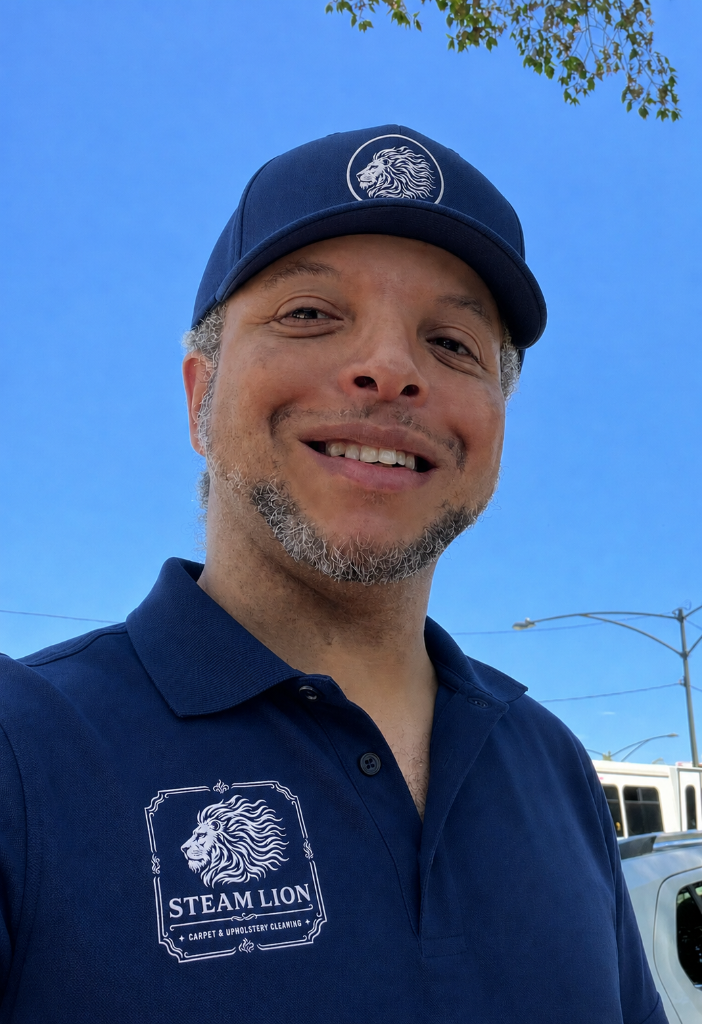
By Lucky Johnson
Protect Your Furniture Investment
When you hire Steam Lion, you get careful fabric identification — the safe, customized method recommended by upholstery manufacturers.
Request an In-Home Consultation Schedule a Service Appointment Call (847) 250-6975